
Issue 4 — When Data Starts to Work for Operations

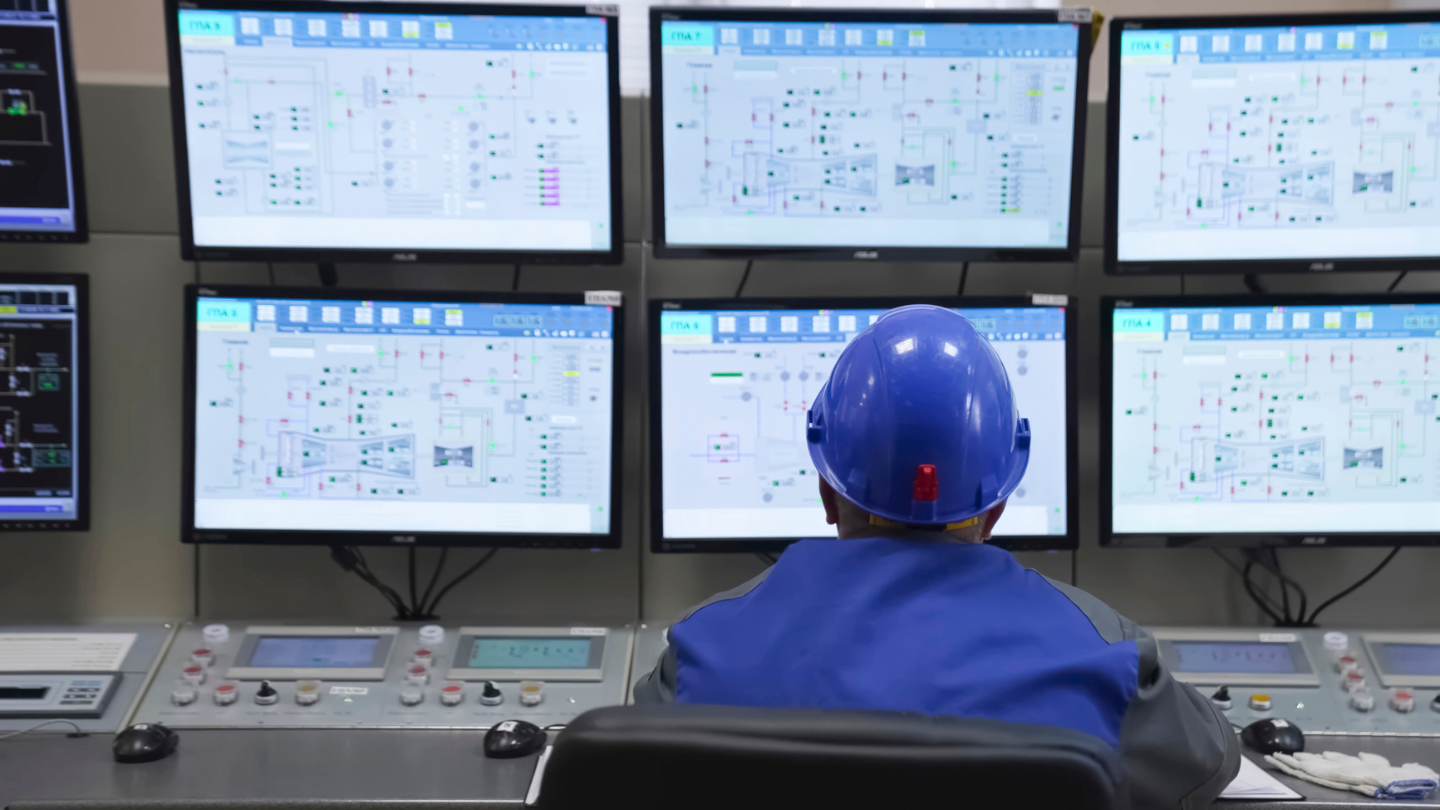
After centralised operations are in place, many water utilities experience a subtle but important shift.
They are no longer just responding to what is happening now.
They begin asking questions about what has happened before — and why.
This is the point where data starts to move beyond real-time visibility and into operational understanding.
When Seeing the Whole System Is No Longer Enough
With reliable field data and a unified operational view, utilities gain:
- Faster confirmation during incidents
- Better coordination across sites
- Clearer system-wide awareness
Yet recurring issues still raise questions:
- Why does the same pump trip repeatedly?
- Why do certain alarms always occur together?
- Why does performance degrade gradually rather than suddenly?
Answering these questions requires more than live screens.
It requires memory.
The Role of Operational History
Most SCADA systems are designed for real-time operation:
- Monitor current status
- Trigger alarms
- Support immediate operator action
However, their historical view is often limited in duration or depth.
To truly understand behaviour over weeks, months, or years, utilities rely on historian systems such as AVEVA Historian.
When integrated with centralised operations, historian data begins to change how teams work.
What Changes When History Becomes Accessible
With a historian in place, utilities can:
- Review long-term trends across pumps, stations, and plants
- Correlate flow, pressure, current, vibration, and alarms
- Identify gradual degradation patterns
- Perform root-cause analysis with evidence
- Compare performance before and after interventions
Instead of relying solely on experience or assumptions, teams gain facts.
This does not replace operator knowledge —
it strengthens it.

UOC + Historian: A Practical and Valid Combination
It is important to be clear:
Running a Unified Operations Center together with a historian already enables meaningful operational and maintenance improvement.
This setup allows utilities to:
- Investigate incidents with context
- Support condition-based maintenance decisions
- Justify maintenance actions with data
- Reduce repeat failures
For many utilities, this is the first time data feels genuinely useful beyond the moment.
And importantly — this is not a temporary or inferior stage.
It is a valid and valuable operating model.
From “What Happened?” to “What Is Changing?”
As teams grow comfortable using historical data, the nature of conversations begins to change.
Instead of asking:
What caused this failure?
They begin asking:
What patterns are we seeing over time?
Which assets are slowly degrading?
Which stations behave differently from the rest?
This marks a shift toward condition-based thinking.
Maintenance decisions become:
- More deliberate
- Less reactive
- Better justified
Why This Stage Matters So Much
This stage is often underestimated.
In reality, it delivers some of the highest operational value:
- Reduced firefighting
- Better maintenance planning
- Increased confidence in decisions
- Shared understanding across teams
It also builds something less visible but equally important:
trust in data.
Without that trust, more advanced analytics will never be adopted meaningfully.
Not the End of the Journey — But a Strong Foundation
Using operational history effectively does not mean a utility must immediately pursue advanced analytics or predictive maintenance.
What it does mean is:
- Data is consistent
- Teams are engaged
- Decisions are evidence-based
Only when these conditions exist does it make sense to consider scaling insights across the organisation.
Setting the Stage for What Comes Next
With operational history now supporting day-to-day decisions, utilities begin to explore a new question:
Can maintenance move beyond schedules and reactions — toward condition-based decisions?
That question leads directly into the next stage of the journey.
Coming Next: Issue 5 — From Reactive to Condition-Based Maintenance
In the next issue, we explore how utilities use operational data to shift maintenance strategies — reducing guesswork while respecting operational realities.
Ready to Digitize, Unify, and Optimize?